
Looking to spice up your dinner routine? This Lemon Basil Pesto Pasta packs a fresh, vibrant flavor that's sure to impress. With just a few simple ingredients from your pantry and garden, you can whip up a delightful dish in no time. Whether you're cooking for family or friends, this recipe offers a tasty twist on classic pasta. Ready to dive into this easy and delicious recipe? Let’s get started!
Why I Love This Recipe
- Fresh Flavor Explosion: The combination of lemon and basil creates a refreshing and vibrant pesto that elevates any pasta dish.
- Quick and Easy: This recipe can be prepared in just 20 minutes, making it perfect for a busy weeknight dinner.
- Nutritious Ingredients: Packed with fresh basil, healthy fats from olive oil and pine nuts, and protein from Parmesan, it's a wholesome meal.
- Customizable: You can easily add your favorite vegetables or proteins to this pasta to make it your own!
Ingredients
Fresh Ingredients
- 2 cups fresh basil leaves
- 2 cloves garlic, minced
- Cherry tomatoes and fresh basil leaves for garnish
Pantry Staples
- 1/4 cup pine nuts
- 1/2 cup grated Parmesan cheese
- 1/2 cup extra-virgin olive oil
Seasoning and Pasta
- Zest and juice of 1 large lemon
- Salt and pepper to taste
- 12 oz spaghetti or your favorite pasta
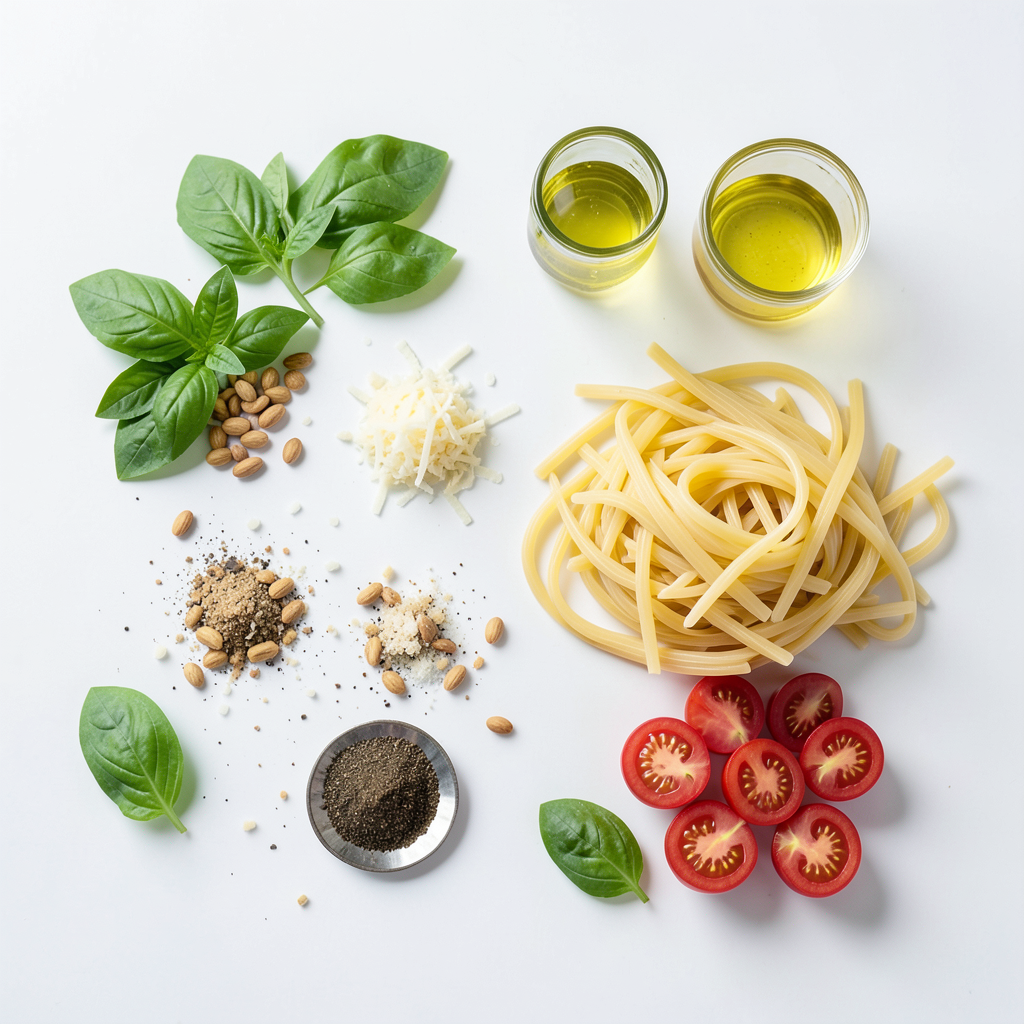
To make a great lemon basil pesto pasta, fresh ingredients shine the most. Start with 2 cups of fresh basil leaves. They bring a bright, green flavor. You will also need 2 cloves of minced garlic. Garlic adds a warm taste that blends well with basil.
Next, grab some pantry staples. Use 1/4 cup of pine nuts for a crunchy texture. The nuts also give a nice nutty flavor. You will need 1/2 cup of grated Parmesan cheese. This cheese adds creaminess and depth. Don’t forget 1/2 cup of extra-virgin olive oil. It helps blend everything smoothly.
For seasoning, zest and juice one large lemon. The lemon gives a fresh kick. Finally, use salt and pepper to taste. They enhance all the flavors. You will need 12 oz of spaghetti or your favorite pasta. The pasta holds the pesto well.
You can also garnish your dish! Use halved cherry tomatoes and more fresh basil leaves. They add color and a pop of flavor.
Step-by-Step Instructions
Preparing the Pesto
First, gather your ingredients. You need fresh basil leaves, pine nuts, Parmesan cheese, and garlic. Place these in a food processor. Pulse the mixture until it looks finely chopped. This step makes the base of your pesto rich and aromatic.
Blending the Pesto
Next, keep the food processor running. Slowly add the olive oil while blending. This will help the pesto become smooth and creamy. Now, add the lemon zest and juice. These ingredients brighten the flavor. Season with salt and pepper to taste. If the pesto feels too thick, you can add a splash of water or more olive oil.
Cooking and Combining the Pasta
Now, let’s cook the pasta. Boil a large pot of salted water. Add your spaghetti and cook it until al dente, which usually takes about 8 to 10 minutes. Don’t forget to save about half a cup of the pasta water before draining. After draining, add the hot spaghetti to a big mixing bowl. Then, pour in the pesto. If it seems too thick, add some reserved pasta water to loosen it. Toss it well so every strand is coated in that vibrant pesto.
Tips & Tricks
Perfecting Your Pesto
To get the best pesto, adjust the consistency and flavor. If your pesto is too thick, add a little water or more olive oil. This helps it blend smoothly. Taste as you go. You might want more garlic or lemon for that zing. A food processor works great for a smooth blend. You can also use a mortar and pestle for a more traditional approach.
Cooking Pasta
Cooking pasta correctly is key. Aim for al dente, which means firm to the bite. Boil your spaghetti in salted water for the right flavor. Follow the package time closely. Always reserve some pasta water before draining. This water is starchy and helps to loosen the pesto when you mix it in.
Presentation Tips
Making your dish look good is fun! Use halved cherry tomatoes and fresh basil leaves as garnishes. They add color and flavor. Serve the pasta in bowls or on plates. A sprinkle of cheese on top makes it even better. Try to arrange the pasta in a nest shape for visual appeal. This simple touch impresses without effort.
Pro Tips
- Use Fresh Ingredients: Fresh basil and high-quality olive oil will elevate the flavor of your pesto, making a noticeable difference in your dish.
- Adjust to Taste: Feel free to customize the balance of lemon, garlic, and cheese to suit your personal preferences. Taste as you go!
- Save Some Pasta Water: The starchy pasta water is perfect for adjusting the consistency of the pesto, allowing it to cling beautifully to the pasta.
- Experiment with Nuts: While pine nuts are traditional, try substituting with walnuts or almonds for a different flavor profile in your pesto.
Variations
Ingredient Swaps
You can switch up the nuts and cheeses in your pesto. Instead of pine nuts, try walnuts or cashews. Both add unique flavors. For a dairy-free option, swap Parmesan with nutritional yeast. This keeps your dish tasty without dairy.
You can also use different types of pasta. If you want a twist, try penne or fusilli. Both hold sauce well. For gluten-free diets, choose brown rice pasta or chickpea pasta. These options taste great and add nutrients.
Flavor Enhancements
To boost flavor, add fresh herbs. Try parsley or cilantro for a new taste. You can also sprinkle in some red pepper flakes for heat. It’s a simple way to make the dish stand out.
If you want protein, add grilled chicken or shrimp. This turns your pasta into a full meal. Toss in some cooked beans for a vegetarian option. They add protein and fiber.
Dietary Considerations
For a vegan dish, use nutritional yeast instead of cheese. This gives a cheesy flavor without dairy. You can also skip the cheese altogether for a lighter option.
If you need gluten-free pasta, look for brands made from corn or lentils. They cook well and pair perfectly with pesto. Always check the label to ensure they meet your needs.
Storage Info
Storing Pesto
To keep your pesto fresh, store it in an airtight container. Press a piece of plastic wrap against the pesto surface. This helps prevent oxidation, which can change its color. Refrigerate the pesto for up to one week.
For long-term storage, freezing is ideal. Portion the pesto into ice cube trays. Once frozen, transfer the cubes to a freezer bag. This way, you can use just what you need later. Frozen pesto lasts about six months.
Storing Cooked Pasta
After cooking, cool your pasta quickly. Drain it and rinse under cold water. This stops the cooking process and helps keep it fresh. Store the pasta in an airtight container in the fridge. It will stay good for about three to five days.
When reheating, avoid boiling water. Instead, use a skillet over low heat. Add a splash of water or olive oil to keep it moist. Stir gently until heated through.
Shelf Life
Homemade pesto can last about one week in the fridge. Cooked pasta stays fresh for three to five days when stored properly. Always check for signs of spoilage. Look for off smells or changes in color. If anything seems off, it's best to throw it out.
FAQs
How can I make lemon basil pesto pasta vegan?
To make this dish vegan, swap the Parmesan cheese for nutritional yeast. Nutritional yeast has a cheesy flavor without using dairy. You can also add a tablespoon of tahini for creaminess. Replace the pasta with whole grain or gluten-free options if needed. This way, you keep the dish tasty and plant-based.
Can I use other nuts for the pesto?
Yes, you can use different nuts in the pesto. Walnuts, cashews, or almonds work well. Each nut brings a unique flavor. For instance, walnuts are richer and add depth. Cashews create a creamier texture. Just remember to adjust the amount to match your taste.
What can I serve with lemon basil pesto pasta?
This pasta pairs well with light sides. A simple green salad with lemon vinaigrette complements the flavors. Grilled vegetables or garlic bread also make great choices. If you want protein, add grilled chicken or shrimp.
This blog post shared how to make a flavorful lemon basil pesto pasta. We covered fresh ingredients, pantry staples, and step-by-step instructions. I offered tips for perfecting your pesto and variations to suit your taste. Lastly, we discussed storage options and answered common questions.
By following these steps, you can create a delicious meal. Experiment with flavors and enjoy your cooking journey.